Category: MacRumors

Category Added in a WPeMatico Campaign

iPhone 11 Models Feature ‘U1’ Ultra Wideband Chip Amid Rumors of Apple Item-Tracking Tags

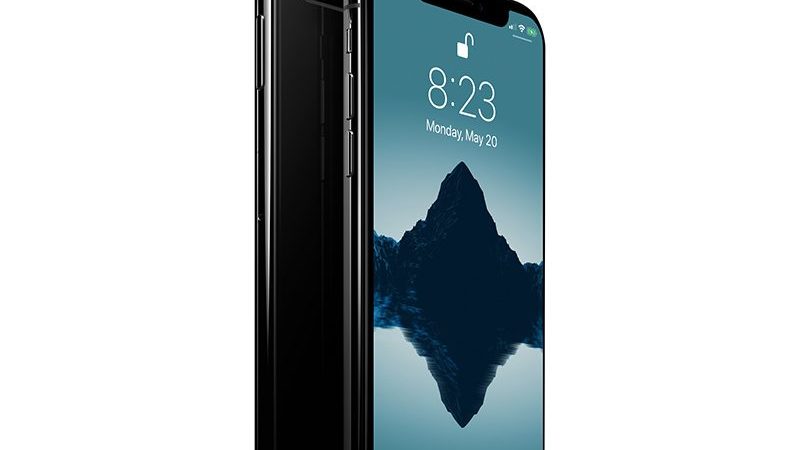
iPhone 11, iPhone 11 Pro, and iPhone 11 Pro Max models are equipped with a “U1” ultra wideband chip for “spatial awareness,” according to tech specs on Apple’s website, which should result in more accurate indoor positioning and pave the way for the future launch of Apple’s rumored Tile-like item tracking tags.

Apple explains:

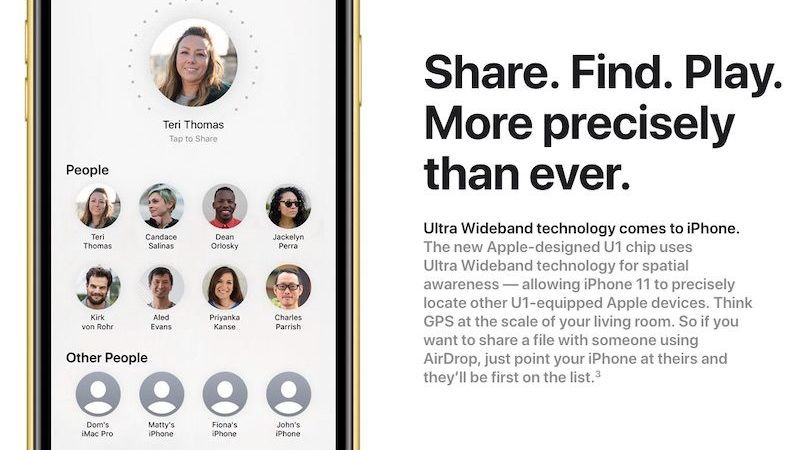
The new Apple‑designed U1 chip uses Ultra Wideband technology for spatial awareness — allowing iPhone 11 Pro to precisely locate other U1‑equipped Apple devices. It’s like adding another sense to iPhone, and it’s going to lead to amazing new capabilities.

With U1 and iOS 13, you can point your iPhone toward someone else’s, and AirDrop will prioritize that device so you can share files faster. And that’s just the beginning.

Apple’s tags will also feature ultra wideband tech, according to analyst Ming-Chi Kuo. The distance between two UWB devices can be measured precisely by calculating the time that it takes for a radio wave to pass between the two devices, with much more accuracy than Bluetooth LE and Wi-Fi.


While the Apple Tags were not announced at Apple’s event today, no reliable sources ever provided a timeframe for their release. There is plenty of evidence of the tags in internal iOS 13 code, but perhaps Apple is waiting until iOS 13.1 is released on September 30 or for a potential October event to unveil them.

MacRumors shared several exclusive details about the Apple Tags last month.

Related Roundup: iPhone 11

This article, “iPhone 11 Models Feature ‘U1’ Ultra Wideband Chip Amid Rumors of Apple Item-Tracking Tags” first appeared on MacRumors.com

Discuss this article in our forums

Powered by WPeMatico

Kuo Shares 2019 iPhone Expectations: 18W USB-C Charger for Higher-End Models, Bilateral Wireless Charging Might Not Happen

Apple analyst Ming-Chi Kuo this afternoon sent out a note to investors recapping his expectations for Apple’s 2019 iPhone lineup, which is set to be unveiled during tomorrow’s September 10 event.

Much of what’s included in the note, which was seen by MacRumors, covers predictions that we’ve previously heard many times, though Kuo offers up details on some rumors that were previously not confirmed, along with some new information on the potential bilateral wireless charging feature and the USB-C chargers we’ve heard about.

Here’s a roundup of the information shared in the report:

  • New iPhones won’t support Apple Pencil.
  • New iPhones will feature a Lightning connector, not a USB-C port.
  • 5.8 and 6.5-inch OLED models will ship with an 18W adapter with a USB-C connector.
  • The 6.1-inch LCD iPhone will continue to ship with a 5W power adapter with a USB-A connector.
  • The new iPhones may not support two-way wireless charging after all “because the charging efficiency may not meet Apple’s requirements.”
  • Design and notch of new iPhones to be unchanged. New colors expected (likely referring to the new colors for the XR).
  • Triple-lens cameras for the 5.8 and 6.5-inch iPhones.
  • All three iPhones will offer ultra-wideband support for improved indoor navigation and object tracking purposes.

Ultra-wideband support is perhaps one of the most interesting changes that’s gotten limited coverage. It’s a short-range, low-power radio technology that offers more precise indoor positioning than Bluetooth LE and WiFi, which suggests that Apple’s rumored Tile-like Apple Tags for keeping track of lost objects will be more accurate than products from competitors.

On the other details included in the note, we’ve heard reports of Apple’s plans to introduce 18W chargers for fast charging out of the box, but previous rumors didn’t indicate that the chargers would be limited to the iPhone XS and XS Max successors.

Bilateral wireless charging, which would allow the iPhone to charge devices like the AirPods and the Apple Watch, has long been rumored. In fact, a recent report from Bloomberg suggested Apple is moving the Apple logo on the new iPhones from the top to the middle of the devices specifically for this feature, so it may have been a late stage decision to nix it.

Kuo says that he expects shipments of the new iPhone models will decline by 5 to 10 percent year over year to 65 to 70 million units because of a “lack of innovative selling points.” iPhone shipments in 2019 still might reach 180 million units, though, thanks to “demand boosted by price-cut legacy iPhone models.”

We don’t have long to wait to see what’s in store for the 2019 iPhone lineup. Apple’s iPhone event will kick off at 10:00 a.m Pacific Time. MacRumors will be providing live coverage of the event both here on MacRumors.com and on the MacRumorsLive Twitter account.

Update: Bloomberg‘s Mark Gurman has backed Kuo’s claim that the widely rumored two-way charging feature for 2019 iPhones has been canceled.

Related Roundups: 2019 iPhones, iPhone 11

This article, “Kuo Shares 2019 iPhone Expectations: 18W USB-C Charger for Higher-End Models, Bilateral Wireless Charging Might Not Happen” first appeared on MacRumors.com

Discuss this article in our forums

Powered by WPeMatico

GameClub Set to Launch This Fall With 50+ Classic iOS Games for One Monthly Fee

GameClub, the upcoming subscription service that is bringing back your favorite classic iOS games, is set to launch this fall with more than 50 all-you-can-play titles that will be available for one monthly fee.

Since it was announced back in March, GameClub has been beta testing its service, offering up access to original iOS games for free, but the service will soon be ready to debut.


There’s no specific word on pricing for GameClub at this time, but today’s press release says that there will be a “small monthly fee” for access to all of the games, which will be free of intrusive ads and in-app purchases.

At launch, GameClub will offer access to more than 50 games that were some of the original games on the App Store but that stopped being updated over time. GameClub’s business model is revitalizing and updating older titles, many of which were incredibly popular years ago.

Content is curated by Eli Hodapp, the former editor-in-chief of MacRumors sister site TouchArcade, and for the last several months, Hodapp has been communicating with the iOS gaming community and getting developers on board.

Super Crate Box, Legendary Wars, Minigore, Space Miner, Spider: The Secret of Bryce Manor and subsequent titles, Mage Gauntlet, Plunderland, Incoboto, Hook Champ, and Super QuickHook are just some of the games that will be available.


Prior to when GameClub launches, these games are available to play for free through GameClub’s ongoing beta testing process. Anyone can get access to the beta titles by signing up for the GameClub Early Access program on the GameClub website.

As mentioned above, GameClub will have more than 50 games at launch, and additional titles will be added on a weekly basis. In addition to classic titles, after launch, GameClub plans to expand into new and original premium games.

GameClub games will be available cross platform, so you can play on either iOS or Android, and all games will be downloadable and playable offline. For people who purchased the original titles that GameClub is reviving, you’ll be able to play them for free.

Apple is set to launch its own Apple Arcade App Store gaming service in the near future, which will provide access to iOS games for a monthly fee with no in-app purchases or ads. GameClub differs from Apple Arcade in that it brings back classic, much-loved titles while Apple Arcade focuses solely on new games.

This article, “GameClub Set to Launch This Fall With 50+ Classic iOS Games for One Monthly Fee” first appeared on MacRumors.com

Discuss this article in our forums

Powered by WPeMatico

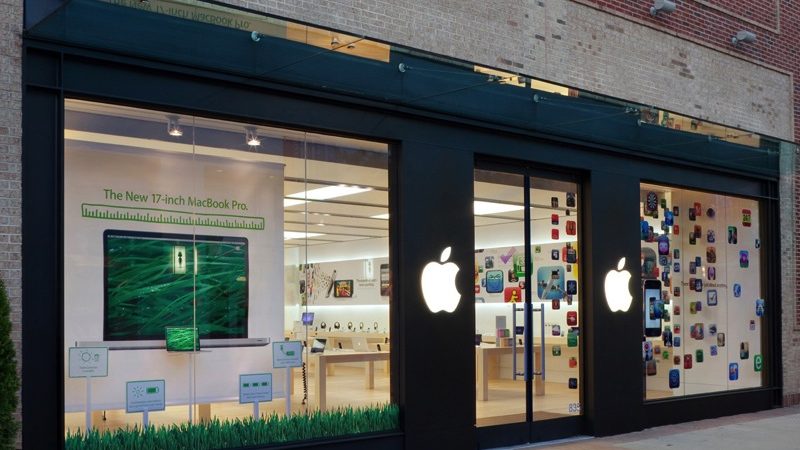
Apple Stores Being Updated With New 3D Window Displays

Ahead of the upcoming iPhone event that’s set to kick off tomorrow, some Apple Store locations will have their windows blocked off with black curtains in order to make changes to the front window displays.

Twitter user Brian Roemmele yesterday tweeted a teaser about the upcoming change, and Bloomberg‘s Mark Gurman explained in another tweet that Apple is planning to bring back “the old-school 3D front windows” at some store locations.


An Apple retail employee contacted MacRumors and confirmed Gurman’s report. Apple Store workers recently practiced putting up the black curtains and were also instructed to clean out and fix floor mechanisms that haven’t been used in years. This likely includes wires and other equipment used for anchoring the front displays.

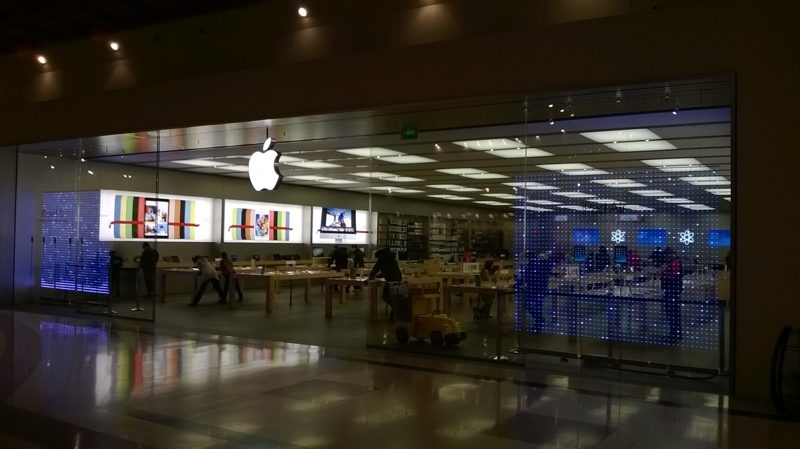
Apple previously used intricate, eye-catching window displays with cutouts and designs showing off new products and features, but the practice was discontinued with the launch of the updated Apple Store designs.

Former Apple retail chief Angela Ahrendts and Jony Ive worked on the updated Apple Stores, but Ahrendts has since departed and Ive is set to leave the company at the end of the year, which is perhaps why Apple is now prepared to make some changes. Deirdre O’Brien, Apple’s head of people, has taken over the company’s retail initiatives.


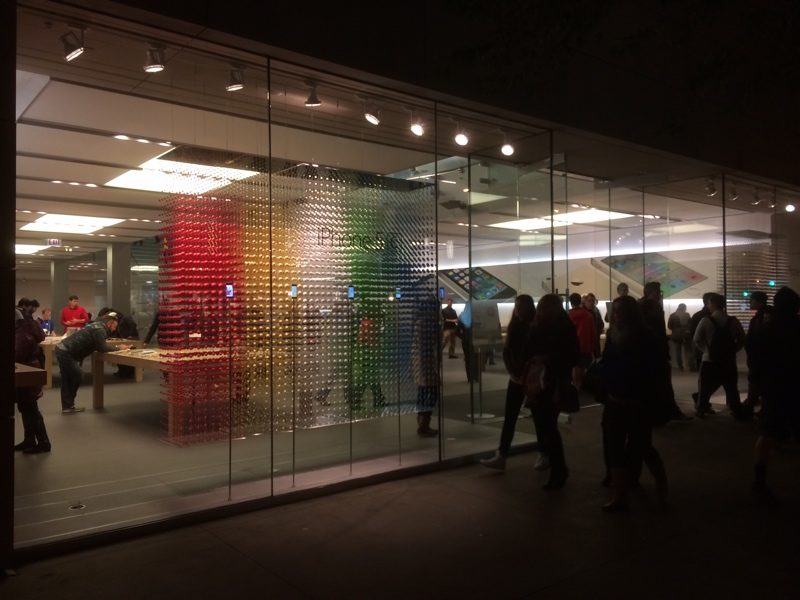
Apple frequently changed its window display setups back when it used window displays, and many of the designs are still well known, such as the colored balls used for the iPhone 5c launch.


In some stores that have seen redesigns, it’s not clear how the new window displays will work, but it looks like many retail store displays will soon get more interesting to look at.

Related Roundup: Apple Stores

This article, “Apple Stores Being Updated With New 3D Window Displays” first appeared on MacRumors.com

Discuss this article in our forums

Powered by WPeMatico

2019 iPhones to Include New ‘R1’ Sensor Coprocessor Codenamed ‘Rose’

Apple is planning to add a new coprocessor, codenamed both “Rose” and “R1,” to the A13 series chips in its upcoming iPhones set to debut on Tuesday. It is not clear if Apple will use the internal Rose and R1 codenames for marketing purposes or if it will match the A-series chip numbering scheme and release the first Rose coprocessor as R13.

Based on evidence from an internal build of iOS 13, the first iteration of the Rose coprocessor, the R1 (t2006), is similar to Apple’s M-series motion coprocessor in that it helps inform iOS about where the iPhone is located in space and where it is headed by offloading the processing of that sensor data from the main system processor.

Where the R1 differs is that it integrates many more sensors than the motion coprocessor in order to produce a much more accurate picture of where the device is. The motion coprocessor currently integrates data from the compass, gyroscope, accelerometer, barometer, and microphones.

The Rose coprocessor will add support for an inertial measurement unit (IMU), Bluetooth 5.1 features, ultra-wideband (UWB) and camera (including motion capture and optical tracking) sensor data to not only tell where the device is but also fuse this sensor data together to find lost Apple Tags and aid in the processing of People Occlusion from ARKit. Given the overlap in sensor data collection and processing the Rose coprocessor may replace the M-series motion coprocessor.

The Angle of Arrival (AoA) and Angle of Departure (AoD) features of Bluetooth 5.1 enable Bluetooth direction-finding, and combining these with other sensor data by the R1 will aid in finding Apple Tags with high resolution. The 2018 iPhone XS, XS Max, and XR all have Bluetooth 5.0.

Twitter user Longhorn contributed to this report.

Related Roundups: 2019 iPhones, iPhone 11

This article, “2019 iPhones to Include New ‘R1’ Sensor Coprocessor Codenamed ‘Rose’” first appeared on MacRumors.com

Discuss this article in our forums

Powered by WPeMatico

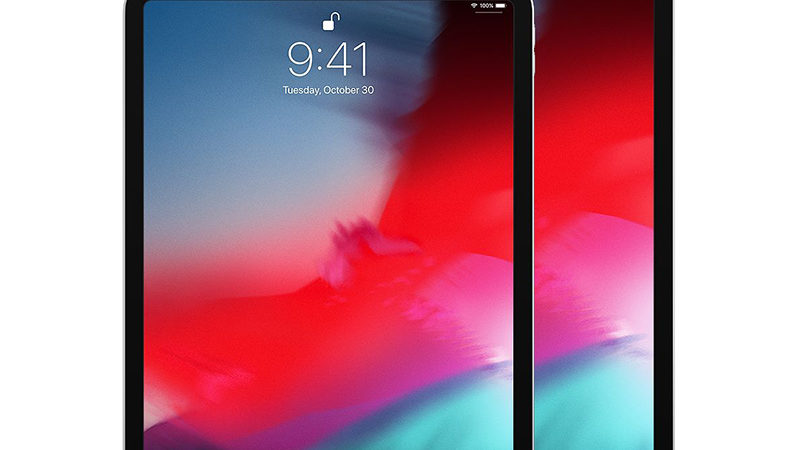
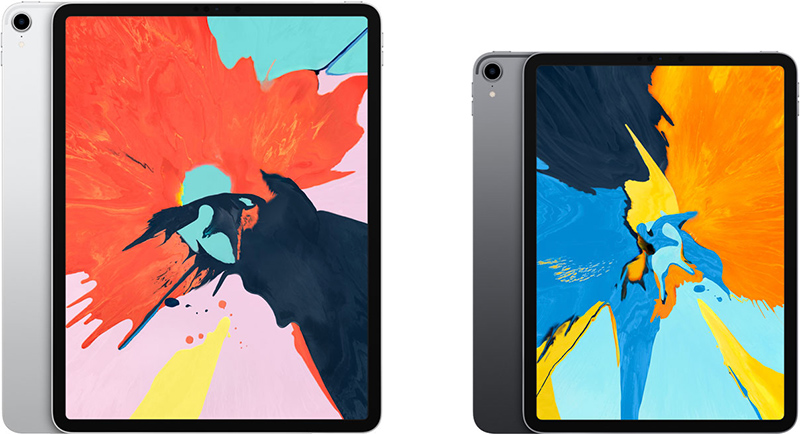
Apple Begins Selling Certified Refurbished 2018 iPad Pro Models [Updated]

Apple has begun selling certified refurbished 2018 iPad Pro models in several European countries, including the United Kingdom, Ireland, France, Germany, Italy, Spain, Poland, Austria, the Netherlands, Belgium, and Switzerland, in addition to Australia, New Zealand, Singapore, China, Japan, and Hong Kong.

In most of the countries, only 11-inch models are available, but there are some 12.9-inch models available in the likes of Singapore and Hong Kong. We recommend using the website Refurb Tracker to monitor Apple’s inventory.

Prices are discounted by approximately 15 percent compared to the equivalent brand new 2018 iPad Pro models from Apple.

Apple says certified refurbished iPad models are thoroughly inspected, tested, cleaned, and repackaged in a new white box, with all accessories and documentation included. Every refurbished iPad receives a new battery and a new outer shell, making it virtually indistinguishable from a brand new iPad.

Every refurbished iPad is covered by Apple’s standard one-year warranty effective on the date the tablet is delivered. The coverage can be extended to two years from the refurbished purchase date with AppleCare+ for iPad Pro, which costs $129 or $5.99 per month for up to 24 months in the United States.

Apple has yet to add the refurbished 2018 iPad Pro models to its online store in the United States or Canada, but it likely will within the next few days. We’ll update this article and send out a tweet when that happens.

While certified refurbished products provide a decent opportunity for savings directly from Apple, better deals are often available through authorized resellers like Amazon, which just this week is offering some of the lowest-ever prices on brand new 2018 iPad Pro models in the United States.

Update: The certified refurbished 2018 iPad Pro models are now available in the United States and Canada too.

Related Roundup: iPad Pro

This article, “Apple Begins Selling Certified Refurbished 2018 iPad Pro Models [Updated]” first appeared on MacRumors.com

Discuss this article in our forums

Powered by WPeMatico

Deals Spotlight: 2018 iPad Pro Receives New Low Prices With Discounts of Up to $400 Off

Deals on the iPad Pro have appeared on Amazon this week, offering shoppers a chance to save as much as $400 on the 2018 models of Apple’s tablet. There are a few lowest-ever prices during this sale, with prices starting at $674 for the 64GB Wi-Fi 11-inch iPad Pro and rising from there.

Note: MacRumors is an affiliate partner with Amazon. When you click a link and make a purchase, we may receive a small payment, which helps us keep the site running.

Low prices for the 12.9-inch models include the 64GB cellular tablet at $899.99 ($250 off), and the 1TB Wi-Fi model at $1,349.99 ($400 off). We’ve listed all of these sales below, and each discount can be found on Amazon.

2018 iPad Pro Sale

11-inch

  • Wi-Fi, 64GB – $674.00, down from $799.00 ($125 off)
  • Wi-Fi, 256GB – $799.99, down from $949.00 ($150 off)
  • Wi-Fi, 1TB – $1,149.99, down from $1,549.00 ($400 off, lowest ever)
  • Cellular, 256GB – $899.99, down from $1,099.00 ($200 off)

12.9-inch

  • Wi-Fi, 1TB – $1,349.99, down from $1,749.00 ($400 off, lowest ever)
  • Cellular, 64GB – $899.99, down from $1,149.00 ($250 off, lowest ever)
  • Cellular, 512GB – $1,299.99, down from $1,499.00 ($200 off)
  • Cellular, 1TB – $1,699.00, down from $1,899.00 ($200 off)

Our full Deals Roundup has even more information on the best Apple-related discounts going on right now.

Related Roundup: Apple Deals

This article, “Deals Spotlight: 2018 iPad Pro Receives New Low Prices With Discounts of Up to $400 Off” first appeared on MacRumors.com

Discuss this article in our forums

Powered by WPeMatico

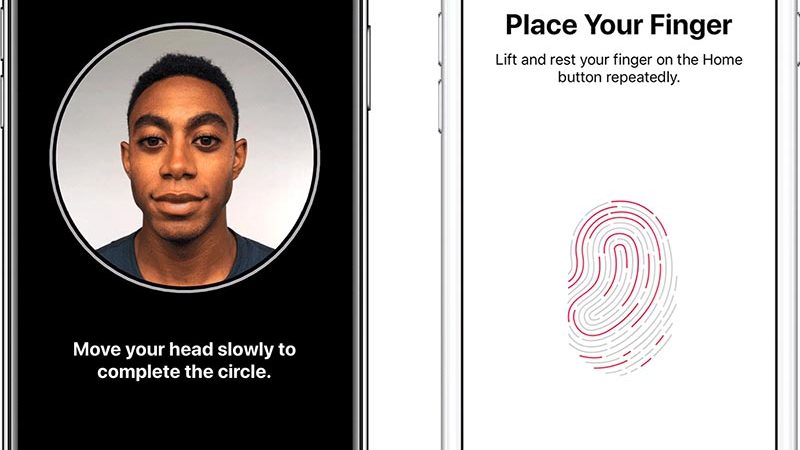
Apple’s Greg Joswiak Says Touch ID Will ‘Continue to Have a Role’

Apple’s vice president of product marketing Greg Joswiak recently spoke with the UK’s Daily Express about the future of its biometric authentication systems, noting that while Face ID will be expanded to more devices over time, Touch ID will “continue to have a role” for the foreseeable future.

“Certainly, we’ll continue to put it on more devices but also Touch ID will continue to have a role – it’s a great technology on our iPad lineup and we don’t see it going away anytime soon,” said Joswiak.

While the latest iPad Pro models are equipped with the more-expensive Face ID system, lower-end iPad, iPad Air, and iPad mini models still have Touch ID home buttons to keep costs down, and that will likely remain the case for years. Touch ID is also built into recent MacBook Pro and MacBook Air models.

As for the iPhone, Apple continues to sell older iPhone 7 and iPhone 8 models with Touch ID, but it has not introduced a new iPhone with fingerprint authentication since 2017. The upcoming iPhone 11 models are expected to stick with Face ID, which Apple says has been made 30 percent faster in iOS 13.

Looking ahead, multiple reports have claimed that Apple plans to release an iPhone with both Face ID and an under-display fingerprint scanner in 2020 or 2021. The under-display option could certainly be given a new name, however, to distinguish it from traditional Touch ID with a home button.

This article, “Apple’s Greg Joswiak Says Touch ID Will ‘Continue to Have a Role’” first appeared on MacRumors.com

Discuss this article in our forums

Powered by WPeMatico

Apple Adjusts App Store Algorithm After Realizing Many Apple Apps Dominate Search Results

Apple recently adjusted its App Store search algorithm so that fewer of its own apps appear at the top of search results, senior executives Phil Schiller and Eddy Cue confirmed in an interview with The New York Times.

Specifically, the executives said Apple has tweaked a feature that sometimes grouped apps by maker so Apple apps would no longer look as if they were receiving preferential treatment. The New York Times claims that many Apple apps have dropped in the search results since the change was implemented in July.

Schiller and Cue both denied any wrongdoing on Apple’s part, however, describing the change as an improvement rather than a fix:

On July 12, many Apple apps dropped sharply in the rankings of popular searches. The top results for “TV” went from four Apple apps to two. “Video” and “maps” changed from three top Apple apps to one. And Apple Wallet dropped from the No. 1 spot for “money” and “credit.”

Mr. Schiller and Mr. Cue said the algorithm had been working properly. They simply decided to handicap themselves to help other developers.

“We make mistakes all the time,” Mr. Cue said.

“We’re happy to admit when we do,” Mr. Schiller said. “This wasn’t a mistake.”

Even after the change, analytics firm Sensor Tower found Apple apps ranked first in the App Store for over 700 search terms, even when the Apple apps were less relevant and less popular than ones from its competitors:

On Aug. 21, Apple apps ranked first in 735 of roughly 60,000 search terms tracked by Sensor Tower. Most of the tracked searches were obscure, but Apple’s apps ranked first for many of the popular queries. For instance, for most of June and July, Apple apps were the top result for these search terms: books, music, news, magazines, podcasts, video, TV, movies, sports, card, gift, money, credit, debit, fitness, people, friends, time, notes, docs, files, cloud, storage, message, home, store, mail, maps, traffic, stocks and weather.

A spokesperson for Apple said the company could not verify the data because it did not keep a record of historical search results, according to The New York Times. Apple’s algorithm is said to examine 42 different signals, including an app’s relevance to a given search, its ratings, and its popularity based on downloads and views.

The New York Times shared a particularly compelling example related to Apple’s Wallet app following the Apple Card’s introduction, but Schiller and Cue denied any intentional manipulation of the App Store search results:

On March 25, the company unveiled an Apple-branded credit card that can be used via the Apple Wallet app. The next day, Apple Wallet was the No. 1 result in searches for “money,” “credit” and “debit.” The app had not ranked for those search terms before then.

Mr. Cue and other Apple executives speculated that the team marketing the Apple Wallet app had added “money,” “credit” and “debit” to the underlying description of the app, causing it to appear for those search results.

Then people searched those terms, found the Apple Wallet app and clicked on it, telling the algorithm that it should be the first result.

“We can just tell you that we’ve not done anything to drive that — that is, other than launching a great wallet, an Apple Card and marketing the heck out of it,” Mr. Schiller said.

Apple has faced increasing scrutiny as of late over the way it runs its App Store, ranging from Spotify’s anticompetitive complaint in Europe to a class action lawsuit accusing Apple of operating an App Store monopoly in the United States, which the Supreme Court has allowed to proceed.

Apple recently defended its practices, noting that the App Store “welcomes competition” and was created to be “a safe and trusted place for customers to discover and download apps” and “a great business opportunity for all developers.”

This article, “Apple Adjusts App Store Algorithm After Realizing Many Apple Apps Dominate Search Results” first appeared on MacRumors.com

Discuss this article in our forums

Powered by WPeMatico

Official Twitch App for Apple TV Now in Public Beta

An official Twitch app for Apple TV is on the way. The live game-streaming service has offered iOS and Mac apps for some time, but a version for Apple’s set-top box has been conspicuous by its absence (making third-party apps like Twitchy all the more popular). That’s soon set to change though, with a beta Twitch app for tvOS now available on TestFlight.

The Twitch app for Apple TV offers the same features found on the iOS and Mac apps, so users will be able to watch live streams, clips, and video on demand, as well as get involved in on-screen chat. Twitch also hosts a slew of additional broadcasts, including live Thursday Night NFL Games, so this news isn’t necessarily just for videogame fans.

If you want to gain access to the beta, you’ll need to install Apple’s TestFlight app on an iOS device and an Apple TV logged in using the same Apple ID. On your iOS device, tap the public link, then tap Accept for the Twitch: Live Game Streaming beta. Next, launch TestFlight on Apple TV, install the beta app there, and you should be good to go.

“We don’t want to be too prescriptive so explore the app, watch streams, and try out different features,” Twitch says on its site. “If you find a bug, the app crashes on you, or you encounter other issues send us your feedback.”

There’s no word on when Twitch will be ready for official release on the tvOS App Store, but presumably the more users that get involved in the beta, the sooner any bugs will be ironed out and it’ll be ready for launch. Twitch is also available on Windows PCs, Amazon Fire TV, PlayStation 4, Xbox One, NVIDIA Shield, and Chromecast.

(Via AppleInsider)

Related Roundups: Apple TV, tvOS 12, tvOS 13
Tag: Twitch
Buyer’s Guide: Apple TV (Don’t Buy)

This article, “Official Twitch App for Apple TV Now in Public Beta” first appeared on MacRumors.com

Discuss this article in our forums
Powered by WPeMatico